
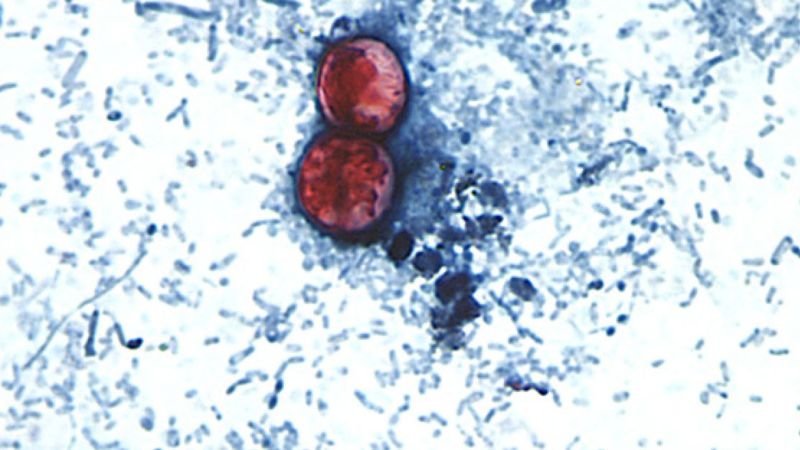
An outbreak of diarrhea caused by the parasite cyclospora has risen to more than 3,000 cases in Michigan and Ohio.
Michigan reported 2,640 cases as of 9:30 a.m. Monday, including 44 hospitalizations.
Ohio has reported 434 cases since June 1. At least 28 people have been hospitalized.
As of July 10, 31 states have reported cases to the US Centers for Disease Control and Prevention, although it’s not clear whether they’re all part of the same outbreak.
The CDC says “multiple states” have reported an increase in cases in the last two weeks compared with the same period in 2025. The agency said Friday that its national count — 843 confirmed cases since May 1 — is lower than states’ counts while cases undergo further analysis.
State and federal investigators say they haven’t yet been able to determine the source or sources causing this year’s cyclosporiasis cases.
Cyclosporiasis doesn’t typically pass directly from person to person. Rather, people become ill by eating or drinking something that’s been contaminated several weeks prior, usually fresh produce or water from a swimming pool.
People with cyclosporiasis may experience symptoms, including watery diarrhea, cramping and bloating, for weeks. Dehydration can land people in the hospital. Treatment is seven to 10 days of the combination antibiotic sulfamethoxazole-trimethoprim, which is sold as Bactrim or Septra.
To reduce risk of infection, people should thoroughly wash produce and cook fruits and vegetables, and can consider avoiding recreation water, like public swimming pools.





Responses